
This article is part of our Auto Accident & Whiplash Care series at Warwick Chiropractic & Massage in Lacey, WA. For the complete overview, see the full guide:
→ Auto Accident & Whiplash Treatment in Lacey, WA — The Complete Guide
If you’re asking how soon after a car accident should I see a chiropractor, our guidance is: get checked right away as long as it’s not an emergency-room situation (such as broken bones). Many people don’t feel the full effects at the scene because adrenaline can mask symptoms, and stiffness and restriction often settle in over the first few days. At Warwick Chiropractic & Massage in Lacey, we welcome walk-ins so we can evaluate you promptly and help you start the right documentation from day one.
How soon after a car accident should I see a chiropractor if I feel “mostly fine”?
It’s common to feel “mostly fine” right after a crash and only notice stiffness. In our experience, that early window can be misleading.
Here’s the pattern we often hear from patients:
- Right away: You may not feel stiff immediately because adrenaline is high.
- The first three days: Swelling can develop, and you start noticing restricted movement.
- Three days to three weeks: Scar tissue comes in, pain signals increase, and you may notice limitations, headaches, and difficulty sleeping that affect daily life.
That’s why, when someone calls and says they were hit yesterday and “just feel stiff,” we still encourage getting checked right away—so long as you don’t need emergency care first. When we’re talking about soft-tissue or whiplash-type injury patterns, early evaluation matters.
Why does whiplash show up on day two or three instead of at the scene?
Whiplash symptoms often don’t fully show themselves at the scene because of the shock of the accident and the body’s chemistry in the moment. Adrenaline, endorphins, and enkephalins can be in play, and many people describe the experience as surreal—so they’re focused on gathering information and getting through the situation, not assessing every detail of their health status.
As that initial shock settles, people can begin noticing the stiffness, restriction, and other symptoms that weren’t obvious right away.
How soon after a car accident should I see a chiropractor if I’m worried something is serious?
If there’s any possibility you need urgent medical attention, we want you in the right place first. A big part of our first visit is making sure you belong in our office and not somewhere else.
We start with what we call red-flag, triage-type questions, including:
- Have you lost bowel or bladder control?
- Are there any signs of TBI?
- Are there signs that point to more emergent or emergency considerations where other providers should be involved?
We also pay attention to symptoms that may indicate you should go to the emergency room or see your medical doctor first, such as:
- Fractures or broken bones
- Other diagnoses that need to be attended to (for example, some heart issues or a possible stroke from the injury)
- Diabetes that’s not under control
Sometimes the situation is truly emergent—for example, if a disc injury is so severe that it’s blowing or prolapsing and sequestering down the actual spinal canal, another provider (including a surgeon) may need to be involved. Our job early on is to screen for these possibilities, look at your movements, and use overall communication and findings to guide whether care should be chiropractic, emergent care, emergency room care, or a combination.
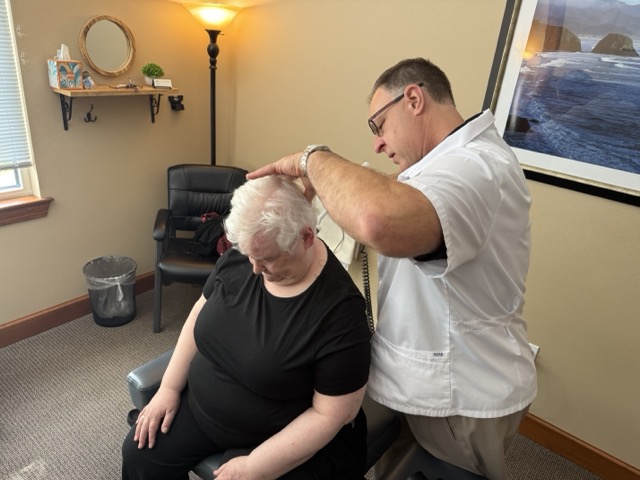
What do we check at the first appointment after a crash?
After we’ve made sure there aren’t emergency signs that require immediate medical stabilization, we move into our typical post-accident evaluation focused on soft-tissue injury patterns.
That includes:
- Soft-tissue injury testing
- Diagnostics and symptom-based question gathering
- Assessing movement and restrictions
- Clarifying what symptoms would mean you should involve the emergency room or your doctor
This first visit is also where we begin the clinical documentation that matters in a personal injury protection (PIP) case, because the details of how you’re doing early on can affect the entire course of your recovery and your case.
What should I photograph or write down after the accident before I come in?
The information you collect early can make a real difference in showing what happened and how it’s affecting your life.
We recommend documenting:
- The vehicle: Take pictures of the car, including areas beyond the cosmetic damage. Pictures underneath portions of the car can also show a lot.
- Your body: This is a big one. If airbags deployed, glass broke, your body impacted the dash, or your head hit the wheel, take photos of bruising, contusions, abrasions, and lacerations—anything that shows evidence of what happened to you in the vehicle.
- Your memory: Write down anything you can remember about the accident and what you felt afterward.
We also suggest a simple daily symptom log. You can use an old calendar (even a dollar-store calendar) and write down, day by day, the challenges you’re experiencing—headaches, not sleeping more than a few hours a night, or needing to take more medications. If you can’t pick up the children, write that down too. This kind of information shows how you’re being affected in real life, not just what we find in the exam.
That day-to-day record can be useful for your providers (including us as your chiropractor) and for your attorney if you’re working with one to protect your rights and pursue justice.
Key Takeaways
- We recommend getting checked right away after a crash if it’s not an emergency-room situation like broken bones.
- Adrenaline and shock can delay symptoms, with stiffness and restriction often becoming more noticeable over the first three days.
- From three days to three weeks, scar tissue can develop and pain signals can increase, with headaches and sleep issues affecting daily life.
- At the first visit, we start with red-flag triage questions (including loss of bowel or bladder control and signs of TBI) to determine whether you need emergent care.
- Photos of your body and your vehicle, plus a simple daily symptom calendar, can strengthen your documentation for care and for a PIP case.
Where to go from here
If you’ve been in an auto accident in the Lacey area, we’re here to help you navigate the injury process and the documentation that goes with it. Warwick Chiropractic & Massage is located at 8650 Martin Way E Ste 207, Lacey, WA 98516, and our team can help you determine whether you should be in our office or referred for more urgent evaluation first.
Walk in for relief today or schedule an appointment. We’ll start with red-flag screening, review your symptoms and documentation, and help you take the next appropriate step after your crash.
Frequently Asked Questions
How soon should I get checked if I feel fine after a car accident?
If you feel mostly fine but stiff after a crash, we still recommend getting checked right away as long as it isn’t an emergency situation. Adrenaline can mask symptoms at first, and swelling and restricted movement can develop over the first three days.
Why can whiplash symptoms take a couple days to show up?
Whiplash symptoms can show up on day two or three because the shock of the accident can trigger adrenaline, endorphins, and enkephalins that blunt pain initially. Many people are also focused on the surreal experience and gathering information rather than noticing early symptoms.
What red flags mean I should go to the ER or my doctor before chiropractic care?
Red flags include loss of bowel or bladder control, signs of TBI, fractures or broken bones, and other acute concerns that need stabilization first. We also watch for issues like possible stroke signs from the injury, certain heart issues, or uncontrolled diabetes.
What do you do at the first chiropractic appointment after a crash?
At the first appointment after a crash, we begin by confirming you don’t need emergent care elsewhere through red-flag triage questions. If appropriate, we proceed with soft-tissue injury testing, diagnostics and symptom questions, movement assessment, and clinical documentation relevant to the injury.
What photos should I take after a car accident for documentation?
You should take photos of the vehicle, and also take photos of your body—especially if airbags deployed, glass broke, you hit the dash, or your head hit the wheel. Document bruising, contusions, abrasions, and lacerations to show evidence of what happened to you.
What should I write down day to day after an accident?
A daily symptom log should start immediately and can be as simple as using an old calendar. Write down headaches, sleep disruption like not sleeping more than a few hours a night, increased medication use, and daily limitations such as not being able to pick up your children.
Ready to feel better? Walk in today, no appointment needed. The wait is typically 10–15 minutes.

Dr. David Warwick, DC, is a board-certified chiropractor with over 30 years of experience helping people find fast, effective relief from back and neck pain. He is the only chiropractor in Lacey, WA certified in the Zone Technique — a specialized healing method that restores balance to the body’s six systems for long-term wellness.
At Warwick Chiropractic & Massage, Dr. Warwick focuses on short-term, results-driven care, helping patients return to life without unnecessary long-term treatment plans. His clinic welcomes walk-ins and offers convenient online scheduling for modern, flexible chiropractic care.
Dr. Warwick is committed to educating his patients and the public about natural pain relief, spinal health, and how chiropractic care can be both simple and life-changing.
Originally spoken aloud by Dr David Warwick DC. Edited with AI assistance and reviewed before publication by Rich Hull.
The original recording this article was written from
Further Reading: Auto Accidents & Whiplash
- Shoulder Pain and Arm Pain After an Accident & Is It Compensable
- Are There Chiropractic Clinics That Accept Same-Day Auto Accident Cases?
- Where Can I Get a Quick Whiplash Assessment in Lacey WA?
- Why You Should See a Chiropractor After a Car Accident
- Stiff Neck, Whiplash, or Sciatica When Fast Chiropractic Care Matters Most
→ Complete Guide: Auto Accident & Whiplash Treatment in Lacey, WA — The Complete Guide