
This article is part of our The Warwick Way series at Warwick Chiropractic & Massage in Lacey, WA. For the complete overview, see the full guide:
→ The Warwick Way — Our Treatment Protocol — The Complete Guide
Not All Chiropractors Are the Same: How to Find the Right One for You
Not all chiropractors are the same because their communication style, visit flow, and clinical decision-making can feel very different—even when the goal is similar: helping your body function and feel better. If you’re figuring out how to choose a chiropractor, the most reliable approach is to match the provider’s style and process to your needs, your schedule, and what helps you feel safe, heard, and confident. When those pieces fit, care tends to be more consistent, more comfortable, and more effective for you.
As local providers, we see this every day: people aren’t just choosing a technique—they’re choosing an experience. At Warwick Chiropractic & Massage in Lacey, we also know that pain doesn’t wait, which is why we offer walk-in and same-day visits for new and returning patients. But speed isn’t the point by itself; the point is the right care, delivered in a way that fits your life.
Why “Not All Chiropractors Are the Same” Is Actually Helpful
A lot of the confusion around chiropractic comes from how differently chiropractors talk about what they do. You might hear phrases like “a new way,” “a better way,” “high volume,” “your body is disconnected,” “imbalance,” “vibration,” or “frequency.” Sometimes those words are meaningful; other times they’re mainly marketing language.
From a patient standpoint, what matters is less about the buzzwords and more about:
- Whether you get results that match your goals
- How clearly the chiropractor explains things (without pressure or fear)
- How safe and respected you feel during care
- How the office runs (efficient vs. chaotic, organized vs. confusing)
- Whether the plan fits your schedule and budget
In other words, learning how to choose a chiropractor is learning how to evaluate the whole process—not just one technique.
Start With Your “Why”: What Are You Actually Trying to Solve?
Before you compare clinics, we recommend getting very clear on what you want help with. That clarity makes it easier to decide how to choose a chiropractor who fits you.
Common reasons local patients seek chiropractic care include:
- Back pain or lower back pain after lifting, sitting, or sleeping awkwardly
- Neck pain, “locked” neck, or stiffness
- Sciatica symptoms (shooting pain, numbness, tingling)
- Tension headaches or cervicogenic headaches
- Auto accident injuries and whiplash
- Work injuries (including L&I cases)
- Sports injuries and weekend strains
- Tech neck and desk-related upper back tightness
- General stress and tension that shows up physically
At Warwick Chiropractic & Massage, walk-in patients come in for all of the above. Many people want to be evaluated—and often treated—on the same visit, especially when the pain is acute and disruptive.
Marketing vs. Meaning: How to Interpret What Chiropractors Say
One of the biggest differences between chiropractors is how they describe their work. The same concept can be explained in multiple ways—and sometimes the language sounds more dramatic than it needs to be.
“We have a new/better way” often means “we do it differently”
When a chiropractor says they have a “new” or “better” approach, it can be true that they’ve developed a refined process through experience. But it can also simply mean they use a different technique, different tools, or a different visit rhythm.
Instead of getting stuck on the claim, ask:
- What’s different about your evaluation?
- How do you decide what to adjust and when?
- How will we measure improvement?
“High volume” isn’t automatically “hurried”
Some clinics serve a lot of patients in a day. People sometimes interpret that as rushed care, but volume can also reflect that a clinic is efficient and experienced—similar to a restaurant that’s busy because it consistently delivers.
What we want you to look for is not “slow vs. fast,” but:
- Are you listened to?
- Is the process organized?
- Do you understand the plan?
- Do you feel safe and respected?
In our walk-in model in Lacey, we aim for minimal wait times (often immediate or within 10–15 minutes during peak hours) while still being thorough and personal. We have multiple doctors on staff to support that balance.
“Disconnected,” “imbalance,” “frequency,” “tone”—often different words for similar outcomes
In the transcription that inspired this article, we emphasized something important: chiropractors may use different terminology, but many are pointing toward similar patient experiences—feeling more balanced, moving easier, breathing better, sleeping more comfortably, and feeling more “connected” in your body.
When you hear a term that sounds abstract, bring it back to practical meaning:
- What will I feel after an adjustment?
- What changes should I notice at home?
- What should improve first—pain, range of motion, sleep, headaches?
This is a surprisingly reliable way to decide how to choose a chiropractor without getting overwhelmed by jargon.
What to Look for in a Chiropractor: A Practical Checklist
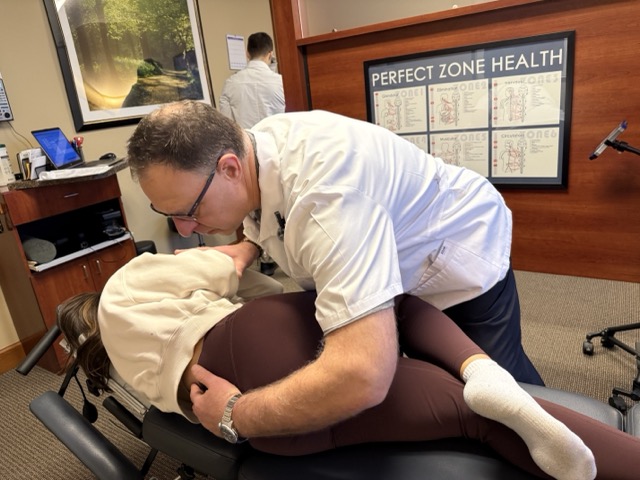
If you only read one section, make it this one. Here’s what to look for in a chiropractor when you’re comparing local options.
1) Trust and rapport (your body knows when it’s not a fit)
We agree with the core message from the transcription: your intuition matters. You should feel that the chiropractor is someone you can trust—because consistency and comfort influence results.
Green flags include:
- You feel listened to without being rushed emotionally
- Your questions are welcomed
- The chiropractor explains the “why” in a way you understand
- You don’t feel shamed for your lifestyle, posture, or stress level
2) Clear communication (no mystery, no pressure)
High-quality care should feel transparent. You should understand what’s happening and why, even if the explanation is simple.
Ask yourself:
- Do they explain findings and next steps clearly?
- Do they speak in normal language, not just slogans?
- Do they give you options when appropriate?
3) Confidence and competence (experienced doesn’t have to mean complicated)
Competence shows up in small things: a confident exam flow, clear safety screening, and the ability to adapt when your body responds differently than expected.
When deciding how to choose a chiropractor, we recommend you look for:
- A structured first visit (history, exam, explanation)
- A plan for follow-ups that makes sense (not arbitrary)
- Willingness to re-check progress periodically (many clinics re-evaluate around every 30 days, depending on the case)
4) Efficiency that respects your time
Many patients don’t want to spend a long time in an office for every visit. Others prefer more time. Neither is wrong; it’s about alignment with your preferences.
Efficiency can be a positive sign if it comes with:
- Consistent outcomes
- Organized staff and smooth flow
- Enough time for your key questions
This is also why walk-in and same-day care can be a major advantage when you’re in acute pain. You can get help when it matters most—without waiting days.
5) A plan that fits your real life (schedule, budget, urgency)
Even great care can fail if it doesn’t fit your life. If your neck locks up on a Tuesday morning, you need a clinic that can realistically see you. If you’re dealing with a work injury, you need a clinic that can handle the documentation and process.
In our clinic, we offer:
- Walk-in and same-day chiropractic visits for new and returning patients
- Convenient hours (Mon–Thu 9:00 AM–6:00 PM; Fri 9:00 AM–1:00 PM) with walk-ins accepted during all open hours, including lunch
- Insurance accepted and pay-as-you-go options
- No contracts or memberships
Step-by-Step: How to Choose a Chiropractor Without Guessing
Here’s a simple process we recommend to local patients who feel overwhelmed by options. Use it as a decision tool, not a rigid rulebook.
- Define your top 1–2 goals. For example: “I need this sciatic pain to calm down” or “I want fewer headaches and better neck mobility.”
- Check practical access. Are they accepting new patients? Do they offer same-day help? Are the hours workable with your schedule?
- Read for patterns, not perfection. Reviews are most helpful when you look for repeated themes like “listened to,” “explained clearly,” “felt better quickly,” or “never felt pressured.”
- Call and ask 2–3 direct questions. (We list good ones below.) Notice how you’re treated on the phone—this often mirrors the in-office culture.
- Try a first visit and evaluate the fit. The first visit should leave you feeling informed and comfortable, not confused or pushed.
- Reassess after a short trial. If you’re not seeing progress or you feel uneasy, it’s okay to change course.
If you’re trying to learn how to choose a chiropractor quickly because you’re hurting now, prioritize access and clarity first—then refine from there.
Questions to Ask a Chiropractor (and What the Answers Should Sound Like)
These questions help you cut through vague marketing and get to what you actually need to know.
Clinical approach and expectations
- “What will the first visit include?” We like to hear: history, exam, explanation, and a reasonable plan.
- “How do you decide what to adjust?” Look for an answer tied to your presentation and findings, not a one-size-fits-all script.
- “How will we know if this is working?” Good answers include measurable changes (pain, function, ROM, sleep, frequency of headaches).
Plan, frequency, and flexibility
- “How often do you typically recommend at the start?” There should be a rationale, and it should be adjustable based on response.
- “Do you re-evaluate progress?” Many clinics do periodic check-ins (often around 30 days depending on the case), which is a reasonable marker.
Safety and comfort
- “What if I’m nervous about cracking or certain positions?” You want to hear that they can modify and communicate.
- “What should I do if I feel sore after?” Normal post-visit guidance should be clear and not dismissive.
Logistics that matter in real life
- “Do you offer walk-in or same-day visits?” This is especially important for acute back or neck episodes.
- “What are typical wait times?” At Warwick Chiropractic & Massage, most walk-ins are seen immediately or within 10–15 minutes, even during peak times.
Using questions like these is one of the fastest ways to decide how to choose a chiropractor based on reality, not hype.
Technique Matters Less Than You Think—Fit and Execution Matter More
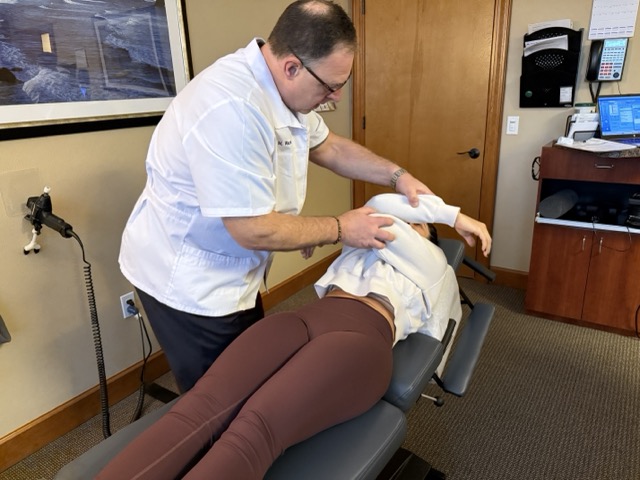
Patients often assume the “best” chiropractor is the one with the “best” technique. In practice, the chiropractor’s skill, consistency, and communication tend to matter more than the label on the technique.
As noted in the transcription, whether the adjustment is delivered by hand, table, instrument, or other tools, the goal is commonly described as improving the brain-body connection and restoring balance in how you move and feel. Different chiropractors may frame that as:
- Balance
- Tone (tension/stress patterns)
- Connection
- Alignment and motion
- “Feeling on purpose” rather than “feeling off”
So if you’re stuck on technique names, zoom out and evaluate outcomes, clarity, and comfort. That’s a smarter path for most people learning how to choose a chiropractor.
Efficient Care vs. Rushed Care: How to Tell the Difference
Many people want care that’s respectful of time—especially when they’re trying to fit an appointment into a lunch break, a school pickup window, or a workday.
Efficient care usually looks like:
- A clear check-in process
- A focused conversation (not endless small talk when you’re in pain)
- Direct, confident hands-on care
- Quick but meaningful updates to your plan
Rushed care often looks like:
- You can’t ask questions
- You don’t know what’s happening
- You feel like a number, not a person
It’s completely reasonable to want fast access and high-quality attention. Our walk-in system is designed for exactly that—getting you in, listened to, and treated without unnecessary delays.
Special Situations: Choosing a Chiropractor When Timing Matters
Sometimes you’re not browsing—you’re reacting. Here’s how to think about how to choose a chiropractor in a few common urgent scenarios.
When your neck “locks up” or your back goes out
- Prioritize same-day access and a calm, organized clinic flow.
- Choose a chiropractor who can evaluate and often begin treatment in the same visit.
After an auto accident (whiplash)
- Prioritize documentation and a clinic that will evaluate injuries promptly.
- Same-day evaluation can be helpful for starting care and beginning insurance documentation.
For work injuries (L&I)
- Ask whether the office treats L&I cases and what you need to bring (often a claim number).
- Choose a clinic that can start care quickly and manage the practical side.
For headaches and tech neck
- Prioritize a chiropractor who asks the right questions about triggers, posture demands, and neck/upper back tension patterns.
- Look for a plan that’s realistic to follow (especially if your work posture is the driver).
At Warwick Chiropractic & Massage, these are exactly the kinds of problems people walk in with—because waiting a week for an opening often isn’t realistic.
Red Flags to Watch For
Part of knowing how to choose a chiropractor is knowing what to avoid. Not every red flag means “run,” but patterns matter.
- High-pressure sales tactics that make you feel trapped or rushed into long commitments
- Vague explanations that don’t connect care to your goals or symptoms
- Fear-based language that makes you feel hopeless without their plan
- No sense of reassessment—you want periodic check-ins to confirm progress
- Dismissed concerns (pain, anxiety, past injuries, comfort preferences)
You deserve a chiropractor who communicates with integrity and builds confidence—not confusion.
Why Word-of-Mouth Still Works (When Used Correctly)
Referrals remain one of the strongest ways to find a good chiropractor, and we’ve seen the same thing echoed again and again: when someone you trust has a great outcome, that’s meaningful.
To make word-of-mouth more accurate, ask the person referring you:
- What problem did you go in for?
- How quickly did you notice changes?
- What did you like about the chiropractor’s style?
- Did you ever feel pressured?
This helps you decide how to choose a chiropractor based on a similar goal—not just a general recommendation.
What Your First Visit Should Feel Like
Even when clinics differ, a strong first impression tends to share a few traits. You should leave feeling like:
- We understand why you came in
- You understand what we found (in plain English)
- You know the next steps
- You feel more at ease—physically and mentally
In the transcription, we used language like going from “feeling off” to feeling more “on purpose.” That’s a useful benchmark. Whether your chiropractor uses those words or not, you should feel more centered and more confident after care—not more uncertain.
Key Takeaways
- When deciding how to choose a chiropractor, prioritize trust, clarity, and a visit flow that fits your life.
- Many differences between chiropractors are communication and style—terms like “imbalance” or “frequency” may be semantics more than substance.
- “High volume” isn’t automatically “hurried.” Efficient, experienced care can still be personal and high-quality.
- Use a checklist: rapport, communication, competence, reassessment, and practical access (hours, walk-ins, wait times).
- If you need help now (back pain, neck stiffness, sciatica, headaches, accident injuries), same-day access can be a deciding factor.
Where to Go From Here
Choosing well means combining practical factors with personal fit—because how to choose a chiropractor is ultimately about finding a provider you trust, a process you understand, and care that matches your goals. If you’re local and pain is interrupting your day, we encourage you not to wait it out.
We invite you to walk in for same day care and treatment at Warwick Chiropractic & Massage, located at 8650 Martin Way E Ste 207, Lacey, WA 98516. Most walk-in patients are seen right away or within 10–15 minutes; you can also call us at 360-951-4504 if you’d like to confirm timing before you head over.
Frequently Asked Questions
How do we know if a chiropractor is right for us?
You’ll usually know quickly based on rapport, clarity, and whether the plan makes sense for your goals. The right fit feels safe, organized, and respectful—without pressure.
Is a walk-in chiropractor lower quality than appointment-based care?
Not necessarily. Walk-in care can be very high quality when the clinic is structured, staffed appropriately, and focused on efficient, patient-centered delivery.
What should we bring to a first chiropractic visit for a work injury?
Bring your L&I claim number if you have it and any relevant documentation. The clinic should guide you on next steps and paperwork.
How many visits will we need?
It depends on your condition, how long it’s been present, and how your body responds. A trustworthy chiropractor will set expectations and re-evaluate progress over time.
What if we’re nervous about getting adjusted?
Tell your chiropractor. A good provider will explain the process, answer questions, and adapt the approach to your comfort level.
Ready to feel better? Walk in today, no appointment needed. The wait is typically 10–15 minutes.

Dr. David Warwick, DC, is a board-certified chiropractor with over 30 years of experience helping people find fast, effective relief from back and neck pain. He is the only chiropractor in Lacey, WA certified in the Zone Technique — a specialized healing method that restores balance to the body’s six systems for long-term wellness.
At Warwick Chiropractic & Massage, Dr. Warwick focuses on short-term, results-driven care, helping patients return to life without unnecessary long-term treatment plans. His clinic welcomes walk-ins and offers convenient online scheduling for modern, flexible chiropractic care.
Dr. Warwick is committed to educating his patients and the public about natural pain relief, spinal health, and how chiropractic care can be both simple and life-changing.
Originally spoken aloud by Dr David Warwick DC. Edited with AI assistance and reviewed before publication.
Further Reading: The Warwick Way
- How Long is a Chiropractic Appointment at Warwick Chiropractic?
- What is the Zone Technique in Chiropractic and Who Offers it?
- Why Does a Chiropractor Need So Many Forms on Your First Visit?
- Where Can Students Find Affordable Chiropractic Care Near Lacey WA?
- Can Massage Therapy Be Part of Your Chiropractic Care Plan?
→ Complete Guide: The Warwick Way — Our Treatment Protocol — The Complete Guide