This article is part of our Auto Accident & Whiplash Care series at Warwick Chiropractic & Massage in Lacey, WA. For the complete overview, see the full guide:
→ Auto Accident & Whiplash Treatment in Lacey, WA — The Complete Guide
The Step by Step Auto Injury Care Journey
After a collision, it’s normal to feel unsure about what happens next. At Warwick Chiropractic and Massage, we guide local drivers through The Step by Step Auto Injury Care Journey so recovery feels clear, organized, and far less stressful—especially when symptoms change day by day. When you know the typical sequence (from symptoms to documentation to returning to normal activity), you can make confident decisions and avoid common delays that make healing harder.
In this guide, we’ll break down The Step by Step Auto Injury Care Journey in plain language, explain what we look for during your evaluation, and show how we monitor progress over time. If you’re looking for auto accident injury relief Lacey patients can trust, understanding the process is a powerful first step.
Why a “step-by-step” plan matters after an auto collision
Auto accidents can create sudden forces on the body—often including whiplash-type motion—even in low-speed impacts. What makes this tricky is that symptoms don’t always appear right away. Some people feel fine at the scene and then develop stiffness, headaches, or back pain over the next 24–72 hours.
We use The Step by Step Auto Injury Care Journey framework because it helps patients understand:
- What might show up later (and why)
- When to seek an evaluation even if the crash seemed “minor”
- How documentation and progress tracking work during care
- How a treatment plan evolves as your body heals
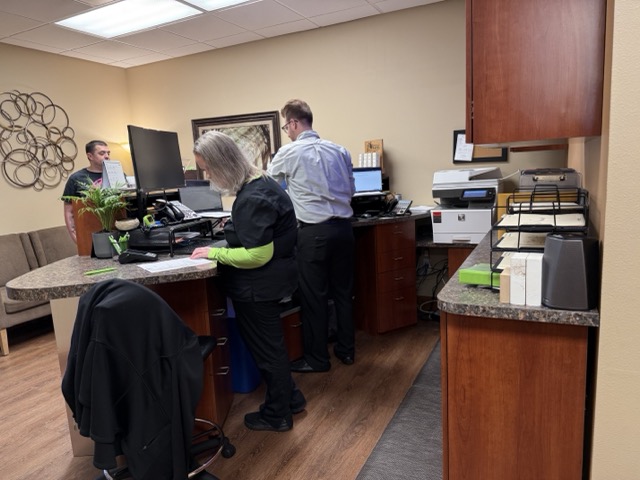
The staff at Warwick Chiropractic are here to help your accident injury care journey
The Step by Step Auto Injury Care Journey (7 stages)
Below is the typical sequence we see in practice. Your exact timeline may vary, but these stages reflect how many cases unfold and how we approach care at Warwick Chiropractic and Massage.
Step 1: The accident occurs (the injury event)
The Step by Step Auto Injury Care Journey begins at the moment of impact. Whether your collision is minor or major, your body can absorb rapid acceleration/deceleration forces. This can stress joints, muscles, and soft tissues—especially around the neck, mid-back, low back, and shoulders.
What we want local patients to know: you don’t need to “wait until it’s unbearable” to get checked. Early clarity often reduces anxiety and helps us create a cleaner baseline for progress.
Step 2: Symptoms begin—or increase over time
Many people notice symptoms immediately, but it’s also common for symptoms to develop gradually over the next several days.
Common early symptoms we hear after a crash include:
- Neck stiffness or reduced range of motion
- Headaches
- Mid-back or low-back pain
- Fatigue
- General tightness or soreness
- Reduced mobility with daily tasks
Recognizing symptoms early is a key part of The Step by Step Auto Injury Care Journey. If you’re unsure whether what you’re feeling is “normal,” an evaluation can help identify what needs attention and what activities to modify while you heal.
Step 3: Open a PIP claim (Washington State)
In Washington State, opening a Personal Injury Protection (PIP) claim can allow care to begin promptly. For many patients, PIP reduces financial friction so they can focus on getting better rather than postponing care.
If you don’t have PIP, we still encourage you to ask us about options. At Warwick Chiropractic and Massage, we work with patients to find practical solutions so you can still begin care when you need it—because delaying treatment can make The Step by Step Auto Injury Care Journey feel longer and more complicated.
Step 4: The initial evaluation (your first visit)
Your first visit is where we establish the foundation of your care. A thorough evaluation helps us understand how the accident affected your body and what your goals are—whether that’s sleeping comfortably, driving without pain, or getting back to work and normal movement.
What the initial evaluation typically includes:
- A detailed health history
- Review of accident details and symptom timeline
- Physical examination focusing on pain points, movement, and function
- A discussion of your goals and what “recovery” looks like for you
This step is central to The Step by Step Auto Injury Care Journey because it guides everything that comes next—what we treat, how often we see you, and how we measure improvement.
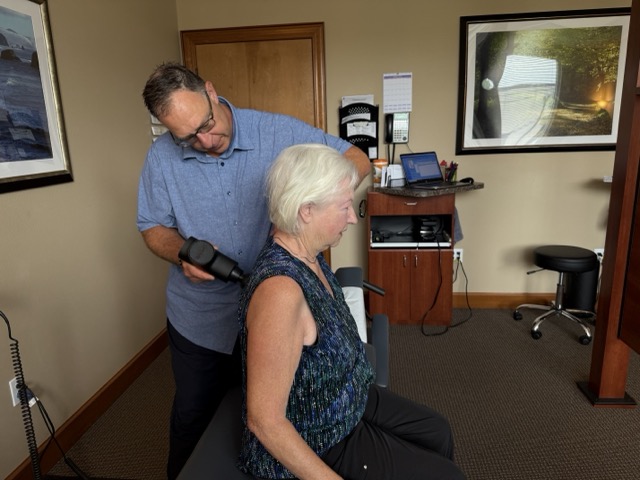
Dr. Warwick treating a patient.
Step 5: Create a personalized treatment plan
After we understand your presentation and goals, we build a plan designed around your specific needs. There is no one-size-fits-all schedule because each patient and injury pattern is different.
Your plan may include:
- Chiropractic care focused on restoring motion and reducing pain
- Massage therapy to address muscle tension, guarding, and soft-tissue discomfort
- Other guided recovery strategies based on your exam findings and progress
For many people seeking auto accident injury relief Lacey residents can access locally, the most reassuring part of this stage is clarity: what we’re doing, why we’re doing it, and what markers we’ll use to know it’s working.
Step 6: Monitor and document progress (because healing isn’t linear)
One of the most important truths in The Step by Step Auto Injury Care Journey is that recovery is a process, not a straight line. It’s common to have better days and worse days—especially as you return to work duties, driving, lifting, workouts, or normal home responsibilities.
We monitor and document progress through regular re-evaluations. That helps us track:
- Changes in symptoms (better, worse, or shifting locations)
- Functional improvements (movement, tolerance, daily activity capacity)
- Your response to care (what helps most, what needs adjusting)
- Progress toward the goals you identified
Then we adjust your care plan accordingly—whether you’re improving faster than expected or progress is slower. This “measure, adapt, and support” approach is how we keep The Step by Step Auto Injury Care Journey patient-centered and responsive.
Step 7: Recovery and return to normal activity
The ultimate goal is to restore normal movement, reduce pain, and help you return safely to daily life—work, family tasks, exercise, and recreation—without lingering issues.
We consider recovery successful when:
- You’re functioning well in real-life activities
- Pain is reduced and manageable (or resolved)
- Mobility and tolerance have returned
- Long-term issues have been minimized through appropriate care and guidance
What you can do right now to support The Step by Step Auto Injury Care Journey
Even before (or alongside) care, there are practical ways to reduce uncertainty and support your next steps.
- Pay attention to delayed symptoms. Track what you feel over the first several days, including headaches, stiffness, fatigue, and reduced range of motion.
- Write down the basics. Note the accident date/time, what happened, and when symptoms started or changed.
- Don’t assume “minor crash” means “minor injury.” Force to the body doesn’t always match visible vehicle damage.
- Get evaluated sooner rather than later. Early evaluation helps establish a baseline and reduces guesswork.
- Ask about PIP and payment options. In Washington State, PIP can help you begin care; if you don’t have it, ask us what options may still be available.
Key Takeaways
- The Step by Step Auto Injury Care Journey helps reduce stress by showing you what typically happens after a crash.
- Symptoms can appear immediately or develop over several days—early recognition matters.
- In Washington State, opening a PIP claim can allow care to begin promptly.
- A strong initial evaluation (history + accident details + exam + goals) sets the foundation for effective care.
- Progress should be monitored and documented because recovery is often non-linear.
- The end goal is safe return to normal activity with minimized long-term issues.
Common questions we hear after auto accidents
How often will we need chiropractic and massage care?
Frequency depends on the severity of the injury, how your body responds, and how quickly function returns. In The Step by Step Auto Injury Care Journey, we typically start with a plan based on your findings, then adjust as you improve.
Will our progress be tracked?
Yes. Ongoing evaluation is part of quality care. We track symptom changes, functional improvements, and your response to treatment so your plan stays aligned with your recovery goals.
Is recovery the same for everybody?
No. Each injury and each person is different. That’s why The Step by Step Auto Injury Care Journey is a framework—not a rigid timeline—and why we personalize care.
What if we don’t have PIP?
If you don’t have Personal Injury Protection, talk with us anyway. We can discuss solutions so you can still get the care you need and keep your recovery moving forward.
Where to Go From Here
If you’re at any stage of The Step by Step Auto Injury Care Journey—newly in pain, noticing symptoms days later, or feeling stuck partway through recovery—Dr. David Warwick and our team at Warwick Chiropractic and Massage are here to be a resource.
If you’ve been in a crash and you’re not sure what to do next, we make it simple to get started. Walk in for auto accident treatment so we can evaluate your symptoms, document your injuries, and build a plan to help you recover safely. The sooner we see you, the sooner we can guide you through the next right steps.
Frequently Asked Questions
What is The Step by Step Auto Injury Care Journey?
The Step by Step Auto Injury Care Journey is a clear framework for what typically happens after a car accident: the collision, symptom onset, opening a Washington State PIP claim when available, an initial evaluation, a personalized treatment plan, documented progress checks, and a safe return to normal activity.
Can car accident symptoms show up days later?
Yes. It’s common for symptoms like neck stiffness, headaches, back pain, fatigue, or reduced mobility to appear or intensify over the first several days after a crash.
What happens at the first chiropractic visit after an auto accident?
The first visit typically includes a detailed health history, a review of accident details and symptom timeline, a physical exam, and a discussion of your goals. This evaluation guides the treatment plan.
Do I need PIP to start treatment in Washington State?
PIP can help you begin care right away, but if you don’t have PIP, you should still ask about options. Many clinics can discuss solutions so you can start care without unnecessary delays.
How do you track recovery after a car accident?
Progress is monitored with regular evaluations that track symptom changes, functional improvements, response to treatment, and progress toward your goals. Plans are adjusted as healing progresses.
How often will I need chiropractic and massage care after a collision?
Frequency varies based on injury severity and how you’re progressing. Your care plan is personalized and may change over time depending on how quickly symptoms improve and function returns.
Ready to feel better? Walk in today or book online – most new patients are seen within 24 hours.

Dr. David Warwick, DC, is a board-certified chiropractor with over 30 years of experience helping people find fast, effective relief from back and neck pain. He is the only chiropractor in Lacey, WA certified in the Zone Technique — a specialized healing method that restores balance to the body’s six systems for long-term wellness.
At Warwick Chiropractic & Massage, Dr. Warwick focuses on short-term, results-driven care, helping patients return to life without unnecessary long-term treatment plans. His clinic welcomes walk-ins and offers convenient online scheduling for modern, flexible chiropractic care.
Dr. Warwick is committed to educating his patients and the public about natural pain relief, spinal health, and how chiropractic care can be both simple and life-changing.
Further Reading: Auto Accidents & Whiplash
- Shoulder Pain and Arm Pain After an Accident & Is It Compensable
- Are There Chiropractic Clinics That Accept Same-Day Auto Accident Cases?
- Where Can I Get a Quick Whiplash Assessment in Lacey WA?
- Why You Should See a Chiropractor After a Car Accident
- Stiff Neck, Whiplash, or Sciatica When Fast Chiropractic Care Matters Most
→ Complete Guide: Auto Accident & Whiplash Treatment in Lacey, WA — The Complete Guide