
This article is part of our Sciatica series at Warwick Chiropractic & Massage in Lacey, WA. For the complete overview, see the full guide:
The best treatment for piriformis-related sciatica usually combines the right stretches, hands-on soft tissue work, and correcting the pelvic/hip mechanics that keep the sciatic nerve irritated. For many people, the most effective plan is a targeted approach that addresses both the piriformis muscle in the buttock and any underlying low-back or pelvic alignment issues that can “set the stage” for nerve pain. If you’re looking for piriformis syndrome sciatica treatment Lacey WA, we typically focus on reducing pressure on the nerve quickly while building long-term stability so symptoms are less likely to come back.
Why piriformis syndrome can feel like classic sciatica
“Sciatica” is a symptom pattern—usually pain, tingling, numbness, or burning that can travel from the low back or buttock down the leg. Piriformis syndrome is one possible cause of that pattern.
The piriformis is a small but powerful muscle deep in the buttock. It attaches from the sacrum (tailbone area) across to the upper thigh near the hip joint. In some people, the sciatic nerve runs very close to the piriformis, and in others it can even pass through it. When the piriformis becomes tight, overworked, or irritated, it can press on the sciatic nerve and create “sciatica-like” symptoms—often felt as deep buttock pain with referral down the leg.
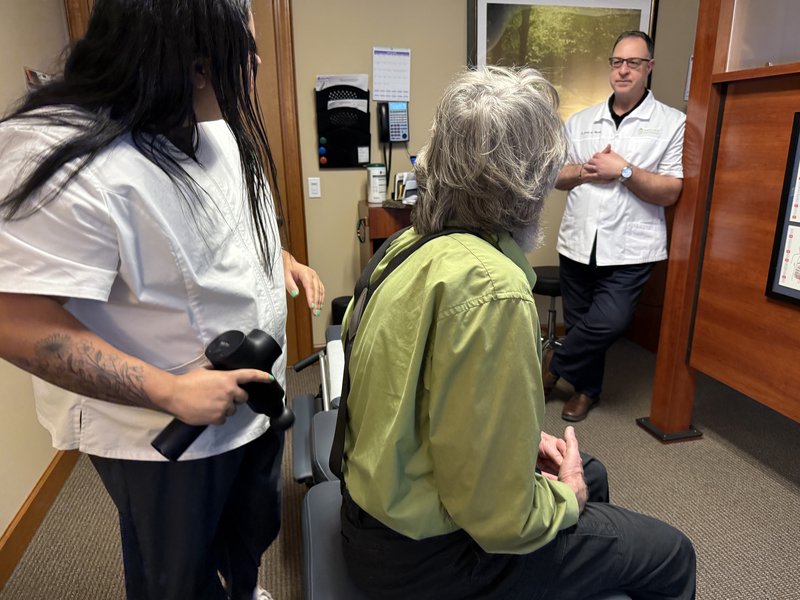
Sciatica care
Piriformis syndrome is often a “secondary entrapment”
One key point we see clinically (and it’s reflected in the transcription you provided) is that piriformis involvement can be secondary. In other words, the nerve may first be irritated at the low back (where the nerve roots exit the spine), and the piriformis becomes the next place the nerve gets “pinched” or aggravated.
That’s why the best piriformis syndrome sciatica treatment Lacey WA isn’t just stretching the buttock and hoping for the best. We want to understand the full chain: low back, pelvis/sacrum, hip mechanics, and soft tissues.
Common signs your piriformis may be part of the problem
Only an in-person evaluation can sort out the cause, but these clues often point toward piriformis involvement:
- Deep pain in the buttock (often one-sided), especially when sitting
- Tenderness in the glute region that feels “spot-specific”
- Pain down the leg that may worsen after long drives or desk time
- Hip tightness or a feeling that one hip isn’t moving normally
- Symptoms that flare with certain movements like crossing your legs, squatting, or climbing stairs
Because symptoms can overlap with disc issues, facet irritation, or other nerve entrapments, we don’t recommend self-diagnosing. Getting the cause right is what makes treatment efficient.
What the “best treatment” really means: a combined, targeted plan
When people ask for the “best” treatment, they’re usually asking two things:
- What will help me feel better fastest?
- What will keep this from coming back?
In our experience, the most dependable approach to piriformis syndrome sciatica treatment Lacey WA is a combination plan that addresses the nerve irritation and the mechanics that created it.
1) Reduce pressure on the sciatic nerve
When the nerve is irritated, the goal is to calm things down. Depending on the case, that may include:
- Guided stretching to reduce piriformis tension
- Soft tissue techniques to relax deep glute muscles
- Improving hip and pelvic motion to stop re-aggravation
2) Improve pelvic, sacral, and hip alignment and motion
The piriformis attaches to the sacrum and influences hip movement. If the pelvis and sacrum aren’t moving well—or if the hip is compensating—piriformis tension can become chronic.
That’s why our sciatica care plans often include work aimed at:
- Pelvic and sacral alignment (to reduce strain patterns)
- Hip mechanics (to help the joint move more evenly)
- Lower back contribution (because the nerve roots begin there)
This “mechanics first” mindset is a major reason people seek piriformis syndrome sciatica treatment Lacey WA from a provider who evaluates the whole area rather than focusing on one sore spot.
3) Restore normal muscle function with targeted stretching (including PNF)
Not all stretching is equal. Some people stretch aggressively and flare their symptoms because the nerve is already sensitive. Others stretch in a way that doesn’t truly reach the deep external rotators.
One technique we may use is PNF stretching (proprioceptive neuromuscular facilitation). In simple terms, PNF uses brief, controlled muscle contractions followed by a deeper, safer stretch. It can be especially helpful when a muscle is “guarding” and traditional stretching isn’t working.
4) Break up tightness with soft tissue work (massage, percussion, and more)
Hands-on soft tissue therapy can be an important part of calming the piriformis and surrounding glute muscles. The transcription specifically mentions soft tissue work, including massage or percussion, which can help:
- Decrease protective spasm and tension
- Improve circulation to irritated tissues
- Reduce “trigger point” referral patterns that mimic sciatica
Soft tissue work is often most effective when paired with movement correction—otherwise the tension tends to come right back.
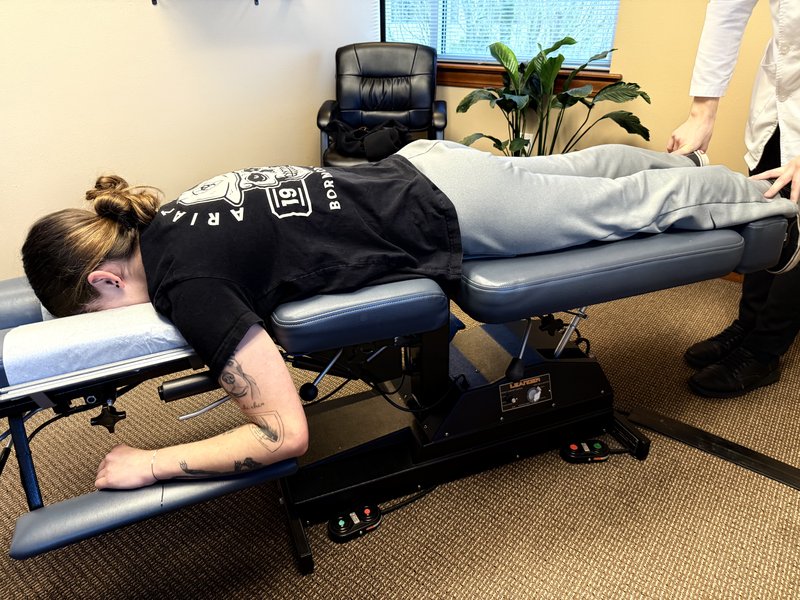
Sciatic nerve pain treatment Lacey WA
What we recommend at home (and what to avoid)
Home care matters. It’s also where a lot of well-meaning people accidentally slow their recovery. Here’s a practical framework we like for piriformis syndrome sciatica treatment Lacey WA support at home.
Helpful home strategies
- Gentle, consistent stretching (we’ll show you versions that fit your symptoms)
- Short walks instead of long periods of sitting
- Hip mobility drills that don’t provoke nerve pain
- Glute activation (often the piriformis overworks when other glute muscles aren’t doing their share)
- Ergonomic tweaks—especially if your flare started with desk time or driving
Common mistakes that can make it worse
- Overstretching into sharp pain (more isn’t better when a nerve is involved)
- Sitting for hours without breaks, especially on soft couches
- Foam rolling too aggressively directly on a very irritable spot
- Ignoring pelvic/hip mechanics and only chasing symptoms
A simple step-by-step plan we use for many cases
Every case is different, but here’s a straightforward, patient-friendly roadmap we often follow in our sciatica care approach:
- Identify the driver: Is the primary irritation coming from the low back, the pelvis/hip, the piriformis, or a combination?
- Calm the nerve: Reduce muscle tension and mechanical stress that keeps the sciatic nerve aggravated.
- Restore motion: Improve hip and pelvic movement so the piriformis doesn’t stay on “high alert.”
- Rebuild capacity: Add strength and controlled exercise so your body can handle daily loads again.
- Prevent the repeat: Update mechanics (how you sit, lift, train, and recover) so flare-ups are less likely.
When to get evaluated sooner rather than later
Sciatica symptoms can range from annoying to severe. We recommend getting checked promptly if you notice:
- Pain that’s progressively worsening over days
- New or increasing numbness or tingling
- Weakness in the leg or foot (like tripping or a “slap” foot)
- Symptoms that don’t improve with a few days of basic rest and gentle mobility
If symptoms are intense, waiting can lead to more guarding, more compensation, and a longer recovery curve. Getting the right piriformis syndrome sciatica treatment Lacey WA early often means fewer setbacks.
Why walk-in, same-day care can matter for sciatica flares
Sciatica doesn’t respect your calendar. When pain spikes, people usually want help today—not two weeks from now.
At Warwick Chiropractic & Massage here in Lacey, we offer walk-in and same-day visits, and most patients are seen right away or within about 10–15 minutes (even during lunch hours). If you’re dealing with a flare and searching for piriformis syndrome sciatica treatment Lacey WA, having access to quick evaluation can help us:
- Confirm whether piriformis involvement is likely (or if another source needs attention)
- Start appropriate in-office care sooner
- Give you a clear, customized home plan the same day
What a same-day visit typically focuses on
We keep first visits practical and goal-oriented. Depending on what we find, we may focus on:
- Assessing the low back, pelvis/sacrum, and hip
- Targeted soft tissue work for the deep glute area
- Guided stretching and/or PNF-style techniques
- Movement coaching—simple changes that reduce irritation immediately
Frequently asked questions about piriformis syndrome and sciatica
Is piriformis syndrome the same thing as sciatica?
Not exactly. Sciatica describes a pattern of nerve pain down the leg. Piriformis syndrome is one possible cause—when the piriformis muscle irritates the sciatic nerve in the buttock.
Can the problem still be in the low back even if my butt hurts the most?
Yes. The sciatic nerve starts in the low back. It’s common for the nerve to be irritated at the spine and then feel worse where it passes through the buttock. That’s why evaluating mechanics and alignment matters.
Do stretches alone fix piriformis-related sciatica?
Sometimes they help, but many cases need more than stretching—especially if pelvic/hip alignment or movement patterns are keeping the piriformis overworked. A combined plan tends to be more reliable.
How long does it take to improve?
It depends on how irritated the nerve is, how long symptoms have been present, and what’s driving the tension. Many people notice changes relatively quickly once the right structures are addressed, but rebuilding strength and mechanics takes consistency.
What can I do today if I’m flared up?
Avoid long sitting, try short walks, and use gentle, pain-free mobility. If pain is sharp, worsening, or accompanied by weakness or increasing numbness, getting evaluated promptly is the safest move.
Key Takeaways
- The “best” approach usually combines stretching + soft tissue work + pelvic/hip mechanics rather than relying on a single technique.
- Piriformis syndrome can be a secondary entrapment, meaning the low back and pelvis may also need attention.
- PNF stretching and guided mobility can help when the muscle is guarding and regular stretching isn’t enough.
- Home care works best when it’s gentle, consistent, and specific to your triggers.
- Fast evaluation matters during flares—especially if symptoms are worsening or you notice numbness or weakness.
Where to Go From Here
If your pain is flaring right now, don’t wait it out—walk in for sciatica treatment today and let’s pinpoint what’s driving your symptoms. At Warwick Chiropractic & Massage (8650 Martin Way E Ste 207, Lacey, WA 98516), we offer walk-in and same-day help for piriformis syndrome sciatica treatment Lacey WA, and most patients are seen quickly—often within 10–15 minutes. If you’d like to check our current availability, call 360-951-4504, and we’ll help you take the next step toward relief.
Ready to feel better? Walk in today, no appointment needed. The wait is typically 10–15 minutes.

Dr. David Warwick, DC, is a board-certified chiropractor with over 30 years of experience helping people find fast, effective relief from back and neck pain. He is the only chiropractor in Lacey, WA certified in the Zone Technique — a specialized healing method that restores balance to the body’s six systems for long-term wellness.
At Warwick Chiropractic & Massage, Dr. Warwick focuses on short-term, results-driven care, helping patients return to life without unnecessary long-term treatment plans. His clinic welcomes walk-ins and offers convenient online scheduling for modern, flexible chiropractic care.
Dr. Warwick is committed to educating his patients and the public about natural pain relief, spinal health, and how chiropractic care can be both simple and life-changing.
Originally spoken aloud by Dr. David Warwick DC. Edited with AI assistance and reviewed before publication.