How Chiropractic Care Helps After Auto Injuries
After a car crash, many people quickly realize they’re not just “sore”—their body feels stiff, guarded, and out of sync. In this guide, we explain how chiropractic care helps after auto injuries, what changes in the body after an accident, and why early, professional care can make a meaningful difference in both comfort and long-term function. At Warwick Chiropractic and Massage, helping local patients recover after auto accidents is a major part of what we do, and we focus on restoring movement in a safe, measured way.
Why your body feels worse after an accident (even if the crash seemed minor)
Auto injuries aren’t always obvious in the moment. In the hours and days after a collision, the body often shifts into a protective state. That protection is normal—but if it persists, it can limit recovery.
After a crash, we commonly see:
- Muscle tightening and guarding (the body braces to protect injured areas)
- Reduced joint mobility (stiffness in the spine, shoulders, hips, or ribs)
- Increased inflammation (a natural response that can also drive pain and restriction)
- Compensation patterns (moving differently to avoid discomfort)
When these patterns linger, people may heal in a restricted way—leading to ongoing pain, reduced range of motion, headaches, or chronic tension.
How chiropractic care helps after auto injuries: the core goal is restoring motion
One of the simplest ways to understand how chiropractic care helps after auto injuries is this: movement is essential for healing. When the spine and joints move well and soft tissues can glide normally, the body is better positioned to recover.
In our clinical experience, proper motion supports healing by helping the body:
- Improve circulation to irritated tissues
- Reduce inflammation through healthier mechanical function
- Support tissue repair by decreasing ongoing strain and abnormal loading
- Rebuild safer movement patterns so you’re not compensating
Without restoring mobility after a car accident, the body may “adapt” around restriction. That adaptation can feel like it’s working short-term, but it often creates long-term problems.
What care may include after an auto accident
Auto accident recovery is not one-size-fits-all. The right approach depends on what we find during a professional evaluation, your symptoms, and how your body is responding.
Care commonly focuses on restoring normal movement and calming pain using a combination of services such as:
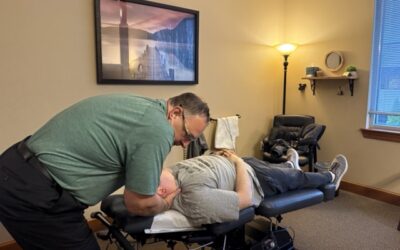
- Gentle chiropractic adjustments to support joint mobility and function
- Soft tissue work and massage therapy to help reduce guarding and improve tissue flexibility
- Guided, monitored recovery plans that progress as you improve
At Warwick Chiropractic and Massage, we emphasize a careful, patient-specific progression—especially when the body is inflamed and protective right after an accident.
Why early care matters after a crash
People often wait because they hope symptoms will fade. Sometimes they do—but when they don’t, delayed treatment can allow stiff patterns to become the “new normal.” This is a major reason we teach patients how chiropractic care helps after auto injuries: it supports recovery before restriction becomes chronic.
Early care may help by:
- Reducing the time you spend in a guarded, stiff state
- Supporting a more complete return of joint mobility
- Lowering the chance of long-term pain patterns developing
- Helping you return to work, exercise, and daily life more confidently
A practical timeline: when should we start?
A common question we hear is: How soon should chiropractic care begin? In general, care as soon as possible after an auto accident is associated with a faster, smoother recovery—assuming you are medically stable and care is appropriate based on exam findings.
If you’re unsure whether you’re ready, we can help determine next steps through a thorough evaluation and a conservative plan.
Is chiropractic care safe after an auto accident?
Another common question is whether it’s safe. For many people, the answer is yes—when performed appropriately by a licensed chiropractor using professional clinical judgment.
As we often explain to patients in Washington State, chiropractic care is generally considered very safe when:
- Your condition is properly evaluated first
- Techniques are selected based on your presentation (especially early on)
- Care is progressed gradually and monitored over time
This individualized approach is central to how chiropractic care helps after auto injuries—it’s not about forcing movement, it’s about restoring motion safely and strategically.
Common symptoms we see after auto injuries
Not every accident injury looks the same. However, there are patterns we frequently see in patients after collisions.
Symptoms after an auto injury may include:
- Neck pain and stiffness
- Mid-back tightness
- Low back pain
- Headaches
- Shoulder tension or reduced range of motion
- General soreness that worsens 24–72 hours after the crash
If you’re searching for an accident injury chiropractor, we recommend choosing a clinic that emphasizes evaluation, conservative progression, and clear communication—so you understand what’s happening and why each step is being done.
What to do in the first week after a car accident (a simple checklist)
If you’re trying to decide what steps to take, here is a practical, patient-friendly plan we often share. This list is not a substitute for medical advice, but it can help you think clearly during a stressful time.
- Get checked for urgent concerns first (especially after high-impact crashes or if you have severe symptoms).
- Pay attention to delayed symptoms—many auto injuries feel worse the next day.
- Avoid prolonged rest if you can; gentle movement is often helpful when appropriate.
- Schedule an evaluation so a professional can assess mobility, soft tissue irritation, and functional limitations.
- Follow a guided recovery plan that supports restoring motion rather than “pushing through” pain.
This approach aligns with how chiropractic care helps after auto injuries: we aim to restore normal movement and reduce pain, so healing can occur without ongoing mechanical irritation.
How massage therapy supports chiropractic care after auto injuries
Many patients feel “locked up” after an accident because muscles tighten to protect joints and irritated tissues. Massage therapy can be an effective complement to chiropractic care by helping calm that protective tension.
Massage therapy may help:
- Decrease muscle guarding and spasms
- Improve comfort during daily activities
- Support better range of motion so adjustments and exercises are more effective
- Reduce the sense of tightness that often drives headaches and neck pain
When combined thoughtfully, chiropractic care and massage therapy can be a practical, movement-centered strategy for auto accident recovery.
Key Takeaways
- How chiropractic care helps after auto injuries is largely about restoring mobility, reducing pain, and supporting natural healing through better movement.
- After a crash, the body often becomes stiff and protective; without care, it may heal in a restricted pattern.
- Early evaluation and treatment often support faster recovery and may help reduce the risk of chronic problems.
- When performed appropriately by a licensed chiropractor after a proper evaluation, chiropractic care is generally very safe.
- Massage therapy can reduce muscle guarding and support better motion during recovery.
Frequently asked questions about chiropractic after auto accidents
How long does it take to feel better after an auto injury?
Recovery timelines vary based on the severity of the accident, your overall health, and how quickly care begins. Many people notice improvements as mobility returns, but consistency and guided progression matter.
What if I didn’t feel pain right away?
That’s common. Adrenaline and shock can mask symptoms initially, and soreness often increases over the next 24–72 hours. An evaluation can help identify restricted areas before compensation patterns set in.
Will I need imaging?
Not everyone does. Whether imaging is appropriate depends on your history, symptoms, and exam findings. If red flags are present, we recommend appropriate medical evaluation.
Where to Go From Here
If you’ve been injured in an accident and want to understand your recovery options, our team at Warwick Chiropractic and Massage is here to help you take the next step with a clear, professional plan. Walk ins welcome, so you don’t have to wait to start addressing stiffness, pain, and loss of mobility. The sooner we assess what’s happening and begin supporting normal movement, the better your odds of avoiding long-term, chronic issues.
Frequently Asked Questions
Is chiropractic care safe after an auto accident?
For many patients, chiropractic care is generally very safe when performed appropriately by a licensed chiropractor after a professional evaluation and with techniques tailored to the injury and stage of healing.
How soon should chiropractic care begin after a car accident?
In general, starting care as soon as possible after an auto accident—once you are medically stable—can support faster recovery by restoring mobility and reducing protective stiffness early.
Why do symptoms often feel worse a day or two after a crash?
Muscle guarding and inflammation commonly increase after the initial adrenaline wears off, which is why stiffness and pain can peak 24–72 hours after the accident.
What does chiropractic care focus on after auto injuries?
Care often focuses on restoring normal movement, reducing pain, and supporting natural healing through gentle adjustments, soft tissue work, and a guided recovery plan based on exam findings.

Dr. David Warwick, DC, is a board-certified chiropractor with over two decades of experience helping people find fast, effective relief from back and neck pain. He is the only chiropractor in Lacey, WA certified in the Zone Technique — a specialized healing method that restores balance to the body’s six systems for long-term wellness.
At Warwick Chiropractic & Massage, Dr. Warwick focuses on short-term, results-driven care, helping patients return to life without unnecessary long-term treatment plans. His clinic welcomes walk-ins and offers convenient online scheduling for modern, flexible chiropractic care.
Dr. Warwick is committed to educating his patients and the public about natural pain relief, spinal health, and how chiropractic care can be both simple and life-changing.