This article is part of our Auto Accident & Whiplash Care series at Warwick Chiropractic & Massage in Lacey, WA. For the complete overview, see the full guide:
→ Auto Accident & Whiplash Treatment in Lacey, WA — The Complete Guide
The Biggest Mistake People Make After Minor Auto Accidents
Why “Minor” Vehicle Damage Doesn’t Mean “Minor” Body Stress
Many crashes occur at speeds under 15 miles an hour. Some meaningful injury mechanisms can occur at even lower speeds—sometimes as low as 3 miles an hour—depending on the angle of impact, how you were positioned, and what happened inside the vehicle at the moment of collision.
Here’s the key idea: your car can be engineered to absorb and disperse impact energy, but your neck and spine still experience rapid forces as your body is pushed and pulled.
What happens in the split second of a collision
To understand The Biggest Mistake People Make After Minor Auto Accidents, it helps to understand what your body goes through:
- The vehicle stops suddenly.
- Your torso is restrained by the seatbelt (and sometimes the seatback).
- Your head continues moving briefly due to momentum.
- Your neck absorbs rapid motion as your head and torso move out of sync.
This is the classic whiplash mechanism. That rapid motion can strain muscles, irritate joints, and stress ligaments—tissues that aren’t designed to “catch” sudden acceleration and deceleration.
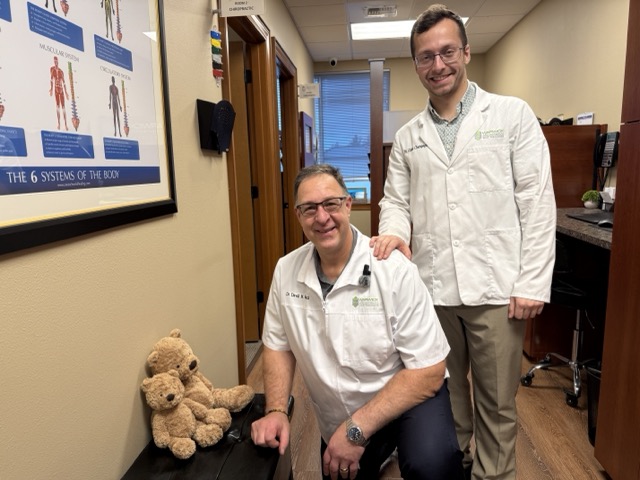
We can help guide you through the accident process and ensure you don’t make mistakes with your injuries.
Why You May Feel “Fine” at First (and Why That Can Be Misleading)
Immediately after a crash, adrenaline and stress hormones can mask pain. This is a normal survival response—your body prioritizes getting you to safety. But it also contributes to The Biggest Mistake People Make After Minor Auto Accidents: believing the lack of immediate pain proves you weren’t hurt.
Delayed symptoms are common—and medically expected
Over the next several hours or days, inflammation can increase and muscles may tighten to protect irritated areas. That’s why people often report:
- Neck tightness that wasn’t there on day one
- Headaches that start 24–72 hours later
- Stiffness when turning the head
- Mid-back or low-back pain that “shows up” after the weekend
- Soreness that feels like it came from sleeping wrong
When symptoms appear later, it’s easy to assume they’re unrelated. In our experience, that assumption is exactly how minor issues become longer-term problems.
What Can Happen If You Ignore Early Warning Signs
Ignoring early symptoms doesn’t guarantee chronic pain—but it can increase the likelihood that a manageable issue turns into something persistent. The Biggest Mistake People Make After Minor Auto Accidents is not taking the early window seriously, when evaluation and conservative care may be most helpful.
When the body adapts to unaddressed irritation, we may see patterns such as:
- Chronic neck tension that becomes “normal”
- Recurring headaches (especially with prolonged sitting or screen time)
- Reduced range of motion when turning or looking up/down
- Long-term stiffness, especially in the morning
- Persistent back pain (mid-back or low-back) that doesn’t fully resolve
Even when symptoms are mild, they can alter the way you move—creating compensation patterns that keep tissues irritated and prolong recovery.
Should You Get Checked After a Minor Car Accident?
In most cases, yes. Not because we want to assume the worst, but because we want to be thorough. A post-accident evaluation is often about ruling out injury, establishing a baseline, and documenting your health status after trauma.
This is a practical response to The Biggest Mistake People Make After Minor Auto Accidents. Rather than guessing, you get informed.
Three reasons an early evaluation matters
- Rule out injury (or catch it early). Some issues are easier to resolve when addressed sooner.
- Reduce uncertainty. Many patients feel reassured simply knowing they’ve been properly assessed.
- Support clear communication. If needed, documentation can help communicate with auto insurance about what occurred and what care was recommended.
If you’re dealing with an accident injury Lacey drivers commonly report—neck pain, headaches, stiffness, or back discomfort—early assessment can be the difference between a short disruption and a long-term annoyance.
“But My Pain Is Mild”—Is a Chiropractic Evaluation Still Necessary?
Mild pain can still matter, especially when it follows a clear event like a collision. We don’t evaluate you to “find something wrong.” We evaluate you to understand what’s happening and help you make smart decisions.
Here are a few situations where we strongly recommend not waiting:
- You notice any new neck stiffness or headaches after the crash
- Your range of motion feels restricted (turning your head, looking over your shoulder)
- You had a quick forward/backward snap of the head (even without head impact)
- Your symptoms are increasing day by day
- You feel “off,” sore, or unusually tight in the days after the accident
These are common patterns tied to The Biggest Mistake People Make After Minor Auto Accidents: waiting until symptoms become disruptive before getting checked.
What We Want Local Drivers to Remember
Low-speed doesn’t automatically mean low-impact to the body. The neck and spine can absorb rapid forces in a way that doesn’t always show up immediately. Delayed pain is common, and it’s one of the main reasons The Biggest Mistake People Make After Minor Auto Accidents keeps happening—people “feel okay,” then wonder why they feel worse a few days later.
If you’re local and searching for clarity after a collision, our team at Warwick Chiropractic and Massage in Lacey focuses on careful evaluation and conservative care options when appropriate.
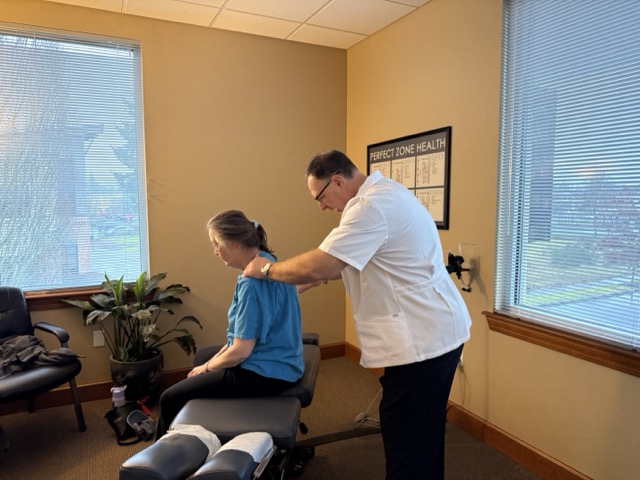
Auto injury care at Warwick Chiropractic
Key Takeaways
- The Biggest Mistake People Make After Minor Auto Accidents is assuming you’re fine because the crash was low-speed or the car looks okay.
- Whiplash mechanisms can occur even in very low-speed collisions due to rapid acceleration/deceleration forces.
- Adrenaline can mask pain immediately; delayed symptoms over the following days are common and expected.
- Ignoring early symptoms can contribute to chronic neck tension, headaches, reduced range of motion, and persistent back pain.
- An early evaluation helps rule out injury, document your post-accident status, and guide next steps—especially for an accident injury Lacey residents often experience.
Where to Go From Here
If you’ve been in a minor accident and you’re not sure what your body absorbed, don’t rely on guesswork—especially when The Biggest Mistake People Make After Minor Auto Accidents is waiting until symptoms become persistent. At Warwick Chiropractic and Massage in Lacey, same day care available so you can get assessed promptly and confidently. Early evaluation can help rule out injury, create clear documentation, and reduce the odds of lingering neck or back problems.
Frequently Asked Questions
What is the biggest mistake people make after a minor car accident?
The biggest mistake is assuming you’re fine because the crash was low-speed or the vehicle damage looks minor. Pain and stiffness are often delayed due to adrenaline, so symptoms can appear hours or days later.
Can whiplash happen in a low-speed collision?
Yes. Even low-speed crashes can create rapid acceleration and deceleration forces. Your torso may be restrained by the seatbelt while your head continues moving briefly, stressing the neck’s muscles, joints, and ligaments.
Why do symptoms sometimes show up days after an accident?
Adrenaline and stress hormones can mask pain right after a collision. Over the next several days, inflammation may increase and muscles can tighten to protect irritated tissues, which can make symptoms appear later.
Should I get checked after a minor auto accident if I feel okay?
In many cases, yes. An evaluation can help rule out injury, document your post-accident status, and provide guidance if symptoms develop later.
Is a chiropractic evaluation worth it if the pain is mild?
Mild symptoms can still matter after a collision. Early evaluation can help identify issues before they become chronic and can provide reassurance by clarifying what is—and isn’t—going on.
What problems can develop if I ignore post-accident symptoms?
Some people develop chronic neck tension, recurring headaches, reduced range of motion, long-term stiffness, or persistent mid-back and low-back pain when early warning signs aren’t addressed.
Ready to feel better? Walk in today, no appointment needed. The wait is typically 10–15 minutes.

Dr. David Warwick, DC, is a board-certified chiropractor with over 30 years of experience helping people find fast, effective relief from back and neck pain. He is the only chiropractor in Lacey, WA certified in the Zone Technique — a specialized healing method that restores balance to the body’s six systems for long-term wellness.
At Warwick Chiropractic & Massage, Dr. Warwick focuses on short-term, results-driven care, helping patients return to life without unnecessary long-term treatment plans. His clinic welcomes walk-ins and offers convenient online scheduling for modern, flexible chiropractic care.
Dr. Warwick is committed to educating his patients and the public about natural pain relief, spinal health, and how chiropractic care can be both simple and life-changing.
Further Reading: Auto Accidents & Whiplash
- Shoulder Pain and Arm Pain After an Accident & Is It Compensable
- Are There Chiropractic Clinics That Accept Same-Day Auto Accident Cases?
- Where Can I Get a Quick Whiplash Assessment in Lacey WA?
- Why You Should See a Chiropractor After a Car Accident
- Stiff Neck, Whiplash, or Sciatica When Fast Chiropractic Care Matters Most
→ Complete Guide: Auto Accident & Whiplash Treatment in Lacey, WA — The Complete Guide