This article is part of our Back Pain series at Warwick Chiropractic & Massage in Lacey, WA. For the complete overview, see the full guide:
How Do People Live With Severe Pain?
Millions of people struggle with chronic or severe pain every day. They wake up unsure of how their body will feel, what they’ll be able to accomplish, or how long their symptoms will last. Pain can affect work, mood, relationships, sleep, and overall quality of life. So the big question many ask is this: How do people live with severe pain?
While severe pain is challenging, many individuals find meaningful relief through a combination of therapies, lifestyle adjustments, and support systems. This article breaks down those strategies in a clear, compassionate, and practical way—offering guidance based on real-world treatment approaches commonly used in chiropractic care, physical therapy, medical settings, and mind-body practices.
Understanding the Nature of Severe Pain
Severe pain may be acute, chronic, or a mix of both. Chronic pain often lasts months or years, even after the original injury has healed. This persistent discomfort can have physical and emotional effects, making recovery more complex and requiring a comprehensive treatment plan.
Most people who manage severe pain successfully do so through a personalized combination of therapies rather than one single solution.
Combining Therapies for the Best Results
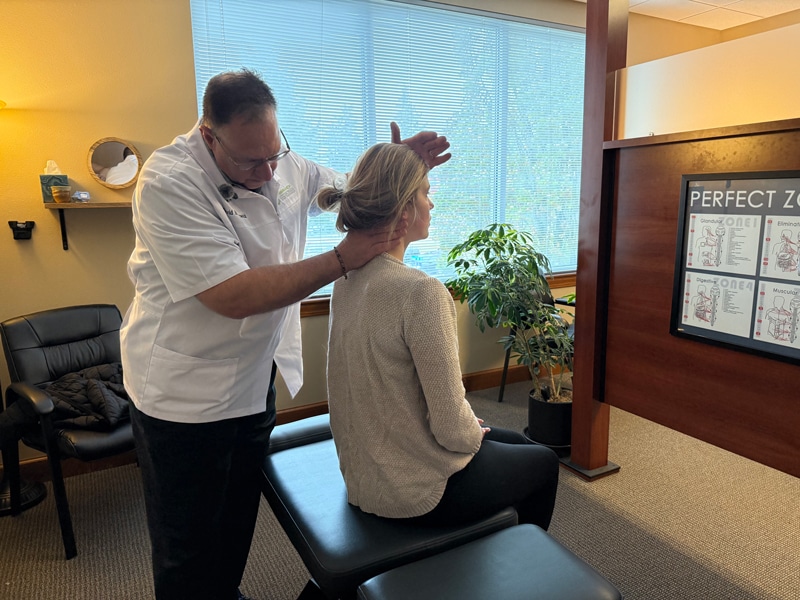
One of the most effective ways people live with severe pain is by combining multiple therapeutic approaches. This multimodal strategy allows the body, mind, and nervous system to work together toward healing.
- Chiropractic adjustments for restoring alignment and reducing nerve pressure
- Massage therapy for easing muscle tension and improving circulation
- Medical treatments when necessary for short-term pain control
- Behavioral therapies to help manage the emotional effects of pain
- Lifestyle changes that reduce inflammation and stress
- Mind-body practices that calm the nervous system
Medical Treatments: Helpful but Not the Whole Solution
While medications can play a role in managing severe pain, long-term dependence is not ideal. Many healthcare providers recommend using medication as a temporary support while also addressing the underlying causes of pain through natural or physical methods.
Short-term medication may help people:
- Sleep more comfortably
- Reduce inflammation during flare-ups
- Move more freely so they can participate in therapy
- Cope during periods of intense discomfort
Chiropractic Care and Physical Rehabilitation
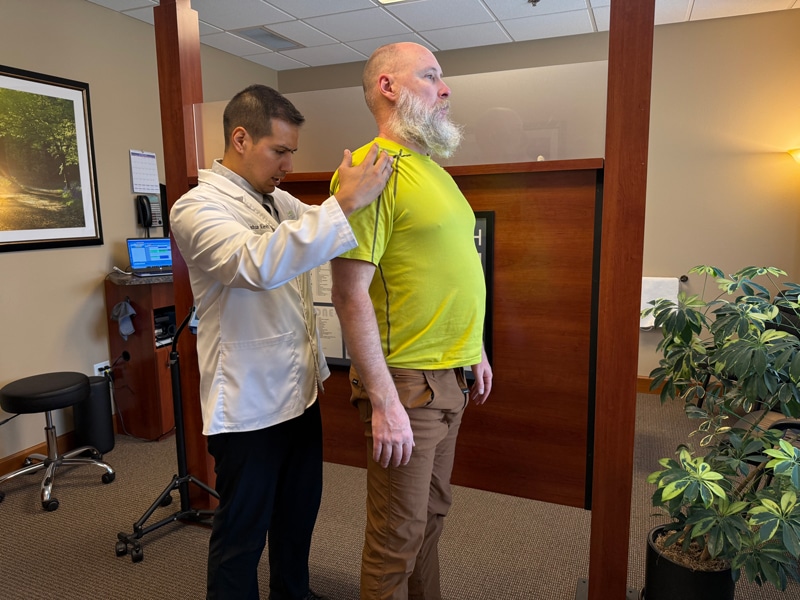
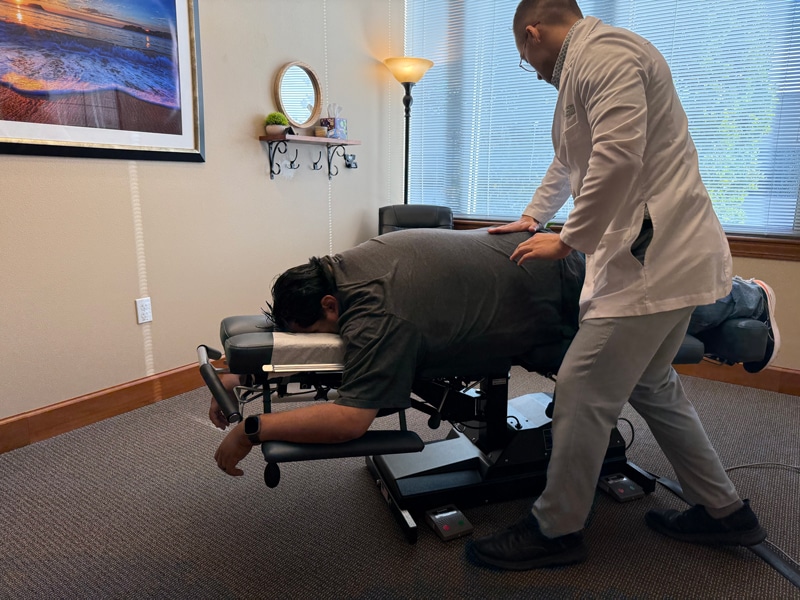
Chiropractic care is one of the most common non-drug approaches people use to manage severe back pain and related conditions. Chiropractic adjustments help restore mobility to joints, reduce inflammation, and ease nerve pressure. Treatments such as traction (flexion-distraction), soft tissue work, and joint mobilization can make a significant difference for people struggling with long-term discomfort.
Physical therapy also plays a key role in helping individuals:
- Improve flexibility
- Increase strength
- Build endurance
- Prevent future injury
- Release endorphins, the body’s natural pain relievers
When used together, chiropractic and physical rehabilitation create a powerful foundation for long-term pain improvement.
Mind-Body Practices for Long-Term Pain Relief
Pain doesn’t only affect the body—it affects the mind, the nervous system, sleep patterns, and emotional health. Mind-body practices help reduce stress and improve mental resilience, both of which can significantly reduce the perception of pain.
Popular mind-body tools include:
- Meditation
- Yoga
- Tai Chi
- Breathwork
- Biofeedback
- Cognitive-behavioral therapies
These practices help calm the nervous system, reduce muscle tension, improve emotional well-being, and give people healthy ways to cope with flare-ups.
Lifestyle Changes That Make a Difference
Daily habits have a tremendous influence on how the body experiences pain. People who live well with severe pain often make intentional lifestyle changes that support healing and reduce inflammation.
Helpful lifestyle changes include:
- Reducing inflammatory foods like sugar, processed items, and trans fats
- Eating nutrient-rich meals with vegetables, fruits, and lean proteins
- Incorporating gentle daily movement
- Managing stress more effectively
- Practicing relaxation techniques
- Engaging in hobbies that bring joy and distraction from pain
Building a Strong Support System
Living with severe pain can be isolating. Support networks help individuals feel understood, encouraged, and empowered. Support may come from:
- Family and friends
- Support groups
- Healthcare professionals
- Online communities
When people feel supported, they are more likely to participate in their treatment, advocate for better care, and stay consistent with helpful habits.
Becoming an Advocate for Your Own Health
A crucial part of living with severe pain is speaking up about your needs and being proactive in your care. Developing a strong relationship with your providers helps them understand your concerns and build a treatment plan tailored to your situation.
Steps people often take include:
- Communicating openly about symptoms
- Asking questions about treatment options
- Participating actively in therapy sessions
- Tracking progress and noting what works
- Setting realistic goals for pain management
Key Takeaways
- Managing severe pain often requires a combination of therapies and lifestyle changes.
- Chiropractic care, physical therapy, massage, and mind-body practices can significantly reduce discomfort.
- Medications may help short-term but should not be the only treatment strategy.
- Support systems and self-advocacy play an important role in long-term well-being.
- A consistent, personalized pain management plan improves quality of life.
Need Help Managing Severe Pain?
If you’re struggling with ongoing pain and want a natural, effective approach, Warwick Chiropractic and Massage in Lacey and Olympia, Washington is here to help. Our team provides chiropractic care, massage therapy, traction, and personalized treatment plans to help you regain your quality of life. Contact us today or walk in for same-day care.
How Do People Live With Severe Pain?
Millions of people struggle with chronic or severe pain every day. They wake up unsure of how their body will feel, what they’ll be able to accomplish, or how long their symptoms will last. Pain can affect work, mood, relationships, sleep, and overall quality of life. So the big question many ask is this: How do people live with severe pain?
While severe pain is challenging, many individuals find meaningful relief through a combination of therapies, lifestyle adjustments, and support systems. This article breaks down those strategies in a clear, compassionate, and practical way—offering guidance based on real-world treatment approaches commonly used in chiropractic care, physical therapy, medical settings, and mind-body practices.
Understanding the Nature of Severe Pain
Severe pain may be acute, chronic, or a mix of both. Chronic pain often lasts months or years, even after the original injury has healed. This persistent discomfort can have physical and emotional effects, making recovery more complex and requiring a comprehensive treatment plan.
Most people who manage severe pain successfully do so through a personalized combination of therapies rather than one single solution.
Combining Therapies for the Best Results
One of the most effective ways people live with severe pain is by combining multiple therapeutic approaches. This multimodal strategy allows the body, mind, and nervous system to work together toward healing.
- Chiropractic adjustments for restoring alignment and reducing nerve pressure
- Massage therapy for easing muscle tension and improving circulation
- Medical treatments when necessary for short-term pain control
- Behavioral therapies to help manage the emotional effects of pain
- Lifestyle changes that reduce inflammation and stress
- Mind-body practices that calm the nervous system
Medical Treatments: Helpful but Not the Whole Solution
While medications can play a role in managing severe pain, long-term dependence is not ideal. Many healthcare providers recommend using medication as a temporary support while also addressing the underlying causes of pain through natural or physical methods.
Short-term medication may help people:
- Sleep more comfortably
- Reduce inflammation during flare-ups
- Move more freely so they can participate in therapy
- Cope during periods of intense discomfort
Chiropractic Care and Physical Rehabilitation
Chiropractic care is one of the most common non-drug approaches people use to manage severe back pain and related conditions. Chiropractic adjustments help restore mobility to joints, reduce inflammation, and ease nerve pressure. Treatments such as traction (flexion-distraction), soft tissue work, and joint mobilization can make a significant difference for people struggling with long-term discomfort.
Physical therapy also plays a key role in helping individuals:
- Improve flexibility
- Increase strength
- Build endurance
- Prevent future injury
- Release endorphins, the body’s natural pain relievers
When used together, chiropractic and physical rehabilitation create a powerful foundation for long-term pain improvement.
Mind-Body Practices for Long-Term Pain Relief
Pain doesn’t only affect the body—it affects the mind, the nervous system, sleep patterns, and emotional health. Mind-body practices help reduce stress and improve mental resilience, both of which can significantly reduce the perception of pain.
Popular mind-body tools include:
- Meditation
- Yoga
- Tai Chi
- Breathwork
- Biofeedback
- Cognitive-behavioral therapies
These practices help calm the nervous system, reduce muscle tension, improve emotional well-being, and give people healthy ways to cope with flare-ups.
Lifestyle Changes That Make a Difference
Daily habits have a tremendous influence on how the body experiences pain. People who live well with severe pain often make intentional lifestyle changes that support healing and reduce inflammation.
Helpful lifestyle changes include:
- Reducing inflammatory foods like sugar, processed items, and trans fats
- Eating nutrient-rich meals with vegetables, fruits, and lean proteins
- Incorporating gentle daily movement
- Managing stress more effectively
- Practicing relaxation techniques
- Engaging in hobbies that bring joy and distraction from pain
Building a Strong Support System
Living with severe pain can be isolating. Support networks help individuals feel understood, encouraged, and empowered. Support may come from:
- Family and friends
- Support groups
- Healthcare professionals
- Online communities
When people feel supported, they are more likely to participate in their treatment, advocate for better care, and stay consistent with helpful habits.
Becoming an Advocate for Your Own Health
A crucial part of living with severe pain is speaking up about your needs and being proactive in your care. Developing a strong relationship with your providers helps them understand your concerns and build a treatment plan tailored to your situation.
Steps people often take include:
- Communicating openly about symptoms
- Asking questions about treatment options
- Participating actively in therapy sessions
- Tracking progress and noting what works
- Setting realistic goals for pain management
Key Takeaways
- Managing severe pain often requires a combination of therapies and lifestyle changes.
- Chiropractic care, physical therapy, massage, and mind-body practices can significantly reduce discomfort.
- Medications may help short-term but should not be the only treatment strategy.
- Support systems and self-advocacy play an important role in long-term well-being.
- A consistent, personalized pain management plan improves quality of life.
Need Help Managing Severe Pain?
If you’re struggling with ongoing pain and want a natural, effective approach, Warwick Chiropractic and Massage in Lacey and Olympia, Washington is here to help. Our team provides chiropractic care, massage therapy, and personalized treatments to help you regain your quality of life.
Contact us today or walk in for same-day care or schedule an appointment here.
Ready to feel better? Walk in today, no appointment needed. The wait is typically 10–15 minutes.

Dr. David Warwick, DC, is a board-certified chiropractor with over 30 years of experience helping people find fast, effective relief from back and neck pain. He is the only chiropractor in Lacey, WA certified in the Zone Technique — a specialized healing method that restores balance to the body’s six systems for long-term wellness.
At Warwick Chiropractic & Massage, Dr. Warwick focuses on short-term, results-driven care, helping patients return to life without unnecessary long-term treatment plans. His clinic welcomes walk-ins and offers convenient online scheduling for modern, flexible chiropractic care.
Dr. Warwick is committed to educating his patients and the public about natural pain relief, spinal health, and how chiropractic care can be both simple and life-changing.
Further Reading: Back Pain
- Do You do Spinal Decompression for a Disc Problem?
- Short-Term Chiropractic Care & The Warwick Way
- Chiropractic and Massage Better Together?
- Walk-In vs Scheduled Appointment What’s the Difference?
- Does Insurance Usually Cover Chiropractic Care?
→ Complete Guide: Back Pain Treatment in Lacey, WA — The Complete Guide