Why Early Documentation Protects Your Auto Insurance Claim
After an auto accident, most people focus on the visible damage—your vehicle, your schedule, your stress level. But there’s a quieter risk that can affect both your health and your finances: missing or delayed medical records. Why Early Documentation Protects Your Auto Insurance Claim comes down to one core idea: the earlier we create a clear, objective timeline, the easier it is to connect the crash to your symptoms, your care plan, and your recovery.
In our office at Warwick Heart Practicum and Massage, we regularly explain that documentation isn’t “just paperwork.” It’s the bridge between what you feel and what can be proven—so your care can progress appropriately and your claim can be evaluated fairly.
Two Processes Start Immediately After a Crash
Whether you feel sore right away or “fine” at the scene, two parallel processes typically begin the moment the collision happens:
- Your body starts healing (sometimes with symptoms that evolve over hours or days).
- Your insurance claim begins being evaluated (based on facts, timelines, and records).
Why Early Documentation Protects Your Auto Insurance Claim is that healthcare documentation connects these two tracks. It creates a credible timeline showing what happened, when symptoms appeared, how injuries were treated, and how recovery progressed.

What “Early Documentation” Actually Means (and Why Insurers Care)
Insurance companies often rely heavily on documentation when evaluating injury-related claims. Without official clinical records, there may be no clear way to connect your symptoms to the accident.
When care begins soon after an auto accident, early records commonly establish critical details such as:
- When symptoms first appeared (same day, next day, several days later).
- Type and location of injuries (for example: neck, back, shoulder, headaches).
- Severity and clinical presentation (how intense symptoms are and what findings appear on exam).
- Recommended treatment plan (what care is advised and why).
- Functional limitations (sleep disruption, difficulty working, driving discomfort, lifting limits).
This “starting point” gives an insurer a consistent way to follow the recovery journey instead of guessing what changed and when.
Why Timing Matters: Gaps Create Questions
One of the biggest reasons Why Early Documentation Protects Your Auto Insurance Claim is that delays can create gaps. When there is a long delay between the crash and the first healthcare visit, insurers may question whether:
- The injury is truly related to the accident
- Symptoms came from a different event (work, sports, a fall, normal wear-and-tear)
- The condition “wasn’t serious,” so treatment wasn’t necessary
We want to be clear: starting care early doesn’t automatically mean you have a severe injury. It simply shows you acted responsibly after a traumatic event and sought a professional evaluation.
Early Care Supports Your Health, Not Just Your Claim
It’s easy to think documentation is only for insurance. In reality, documentation is also a clinical tool that helps your provider make better decisions as your condition changes.
At each visit, good documentation typically tracks:
- Symptom changes (improvement, flare-ups, new complaints)
- Objective findings (what we observe on exam and reassessment)
- Functional progress (what you can do more comfortably—or still can’t do)
- Response to treatment (what helps, what doesn’t, and what needs to be adjusted)
- Care plan changes (how recommendations evolve as healing progresses)
Recovery is a process, not a single event. Documentation tells the story from start to finish—so care can evolve appropriately and your progress is clearly recorded.
What to Do in the First 24–72 Hours After an Auto Accident
If you’re trying to protect both your health and your claim, here is a practical, step-by-step approach. This is where Why Early Documentation Protects Your Auto Insurance Claim becomes actionable.
- Get evaluated promptly even if symptoms feel mild. Early assessment creates the clearest record.
- Write down symptom onset: when did pain, stiffness, headaches, dizziness, or numbness start?
- Track functional limitations: sleep issues, missed work, difficulty lifting, driving discomfort.
- Be consistent in your history: report what you feel accurately and avoid minimizing symptoms.
- Follow the recommended plan and keep appointments when possible—continuity matters.
This combination helps reduce uncertainty and creates a continuous timeline that insurers can follow.
If You Delayed Care, Is It Too Late?
Not necessarily. In our experience, people delay care for many understandable reasons—busy schedules, adrenaline, thinking soreness will fade, or not wanting to “make a big deal.”
That said, the longer you wait, the more complex documentation can become. If care starts weeks or months after an auto accident, providers often must rely more heavily on:
- Patient recall (which can be incomplete—especially during stressful weeks)
- Symptom patterns over time (which can look less clearly tied to the crash)
- Subjective reports without early baseline exam findings
Those factors can create room for argument. That’s a major reason Why Early Documentation Protects Your Auto Insurance Claim—early evaluation tends to produce a cleaner, stronger record.
We also recognize there are timelines and rules that vary by state. The transcription referenced Washington State timelines; if you’re unsure what applies to your situation, getting a prompt evaluation and asking questions is often the most practical next step.
How Chiropractic and Massage Documentation Helps Build Continuity
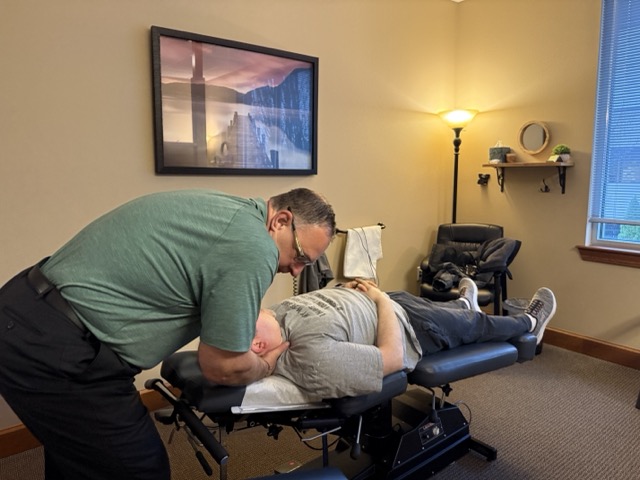
When injuries involve muscles, joints, and soft tissues, it’s common for care to include chiropractic and massage therapy. What matters from a documentation standpoint is continuity: consistent records that show what we found, what we did, and how you responded over time.
When we document well, we help clarify:
- What your initial presentation looked like
- How quickly symptoms changed
- What treatments were recommended and why
- What functional limitations improved—and which persisted
In plain terms, this is another reason Why Early Documentation Protects Your Auto Insurance Claim: it turns your recovery into an organized, evidence-based timeline rather than a vague memory of “I was hurting for a while.”
Common Documentation Mistakes We Encourage People to Avoid
If your goal is to protect your recovery and your claim, here are frequent pitfalls that can weaken a timeline:
- Waiting too long to get an initial evaluation
- Skipping visits without noting why (gaps can look like symptoms resolved)
- Underreporting symptoms because you don’t want to “complain”
- Not mentioning functional limitations (sleep, work, driving, lifting)
- Assuming the insurer will “connect the dots” without records
Documentation is most powerful when it’s early, accurate, and consistent—exactly the point behind Why Early Documentation Protects Your Auto Insurance Claim.
Key Takeaways
- Why Early Documentation Protects Your Auto Insurance Claim is that it creates an objective timeline tying the crash to symptoms, care, and recovery.
- Early documentation typically captures symptom onset, injury location, severity, treatment recommendations, and daily-life limitations.
- Delays can create gaps that invite questions about whether injuries are accident-related.
- Documentation supports clinical decision-making, not just insurance evaluation.
- It’s not always “too late,” but starting sooner generally makes the record clearer and stronger.
Where to Go From Here
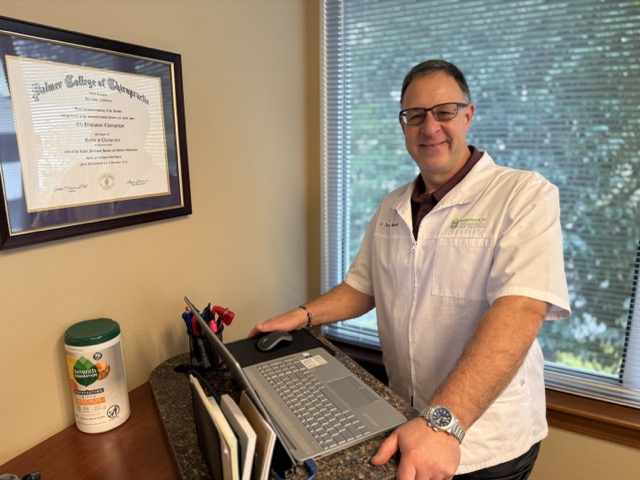
If you’ve been in an auto accident and you’re unsure what to do next, we can help you understand your options and what documentation may be useful moving forward. Dr. David Warwick and our team at Warwick Chiropractic and Massage work with patients every week who are trying to recover while also keeping their claim organized and well-supported.
Don’t wait and hope symptoms fade on their own. Walk in for accident relief today so we can evaluate you, document your condition early, and guide your recovery with a plan that makes sense. The sooner we start, the easier it is to build the clear, consistent timeline behind Why Early Documentation Protects Your Auto Insurance Claim.
Frequently Asked Questions
Why does early documentation matter so much after an auto accident?
Early documentation creates an objective timeline showing when symptoms started, what injuries were found, what treatment was recommended, and how recovery progressed. Insurers often rely on that timeline when evaluating whether injuries are related to the auto accident.
If my pain is mild, should I still get evaluated?
Yes. Mild symptoms can change over the next several days. An early evaluation helps establish a baseline and shows you acted responsibly after the accident, which supports both clinical care and the insurance claim timeline.
What kinds of details should be documented in medical records after a crash?
Key items include date of symptom onset, body areas affected, severity of symptoms, clinical findings, treatment recommendations, functional limitations (sleep, work, driving, lifting), and ongoing changes visit-to-visit.
Can delaying care hurt my auto insurance claim?
It can. Long gaps between the accident and the first visit may lead insurers to question whether the injury is connected to the crash. Early care reduces uncertainty by creating a consistent, continuous record.
Is it ever too late to start treatment after an accident?
Not always, but starting earlier generally creates a clearer record. When care begins weeks or months later, providers must rely more on patient history and symptom patterns, which can be easier for insurers to dispute.
How do chiropractic and massage notes support recovery documentation?
Consistent chiropractic and massage documentation can track exam findings, treatment response, functional improvements, setbacks, and care plan changes over time—helping show a coherent recovery process after an auto accident.

Dr. David Warwick, DC, is a board-certified chiropractor with over two decades of experience helping people find fast, effective relief from back and neck pain. He is the only chiropractor in Lacey, WA certified in the Zone Technique — a specialized healing method that restores balance to the body’s six systems for long-term wellness.
At Warwick Chiropractic & Massage, Dr. Warwick focuses on short-term, results-driven care, helping patients return to life without unnecessary long-term treatment plans. His clinic welcomes walk-ins and offers convenient online scheduling for modern, flexible chiropractic care.
Dr. Warwick is committed to educating his patients and the public about natural pain relief, spinal health, and how chiropractic care can be both simple and life-changing.